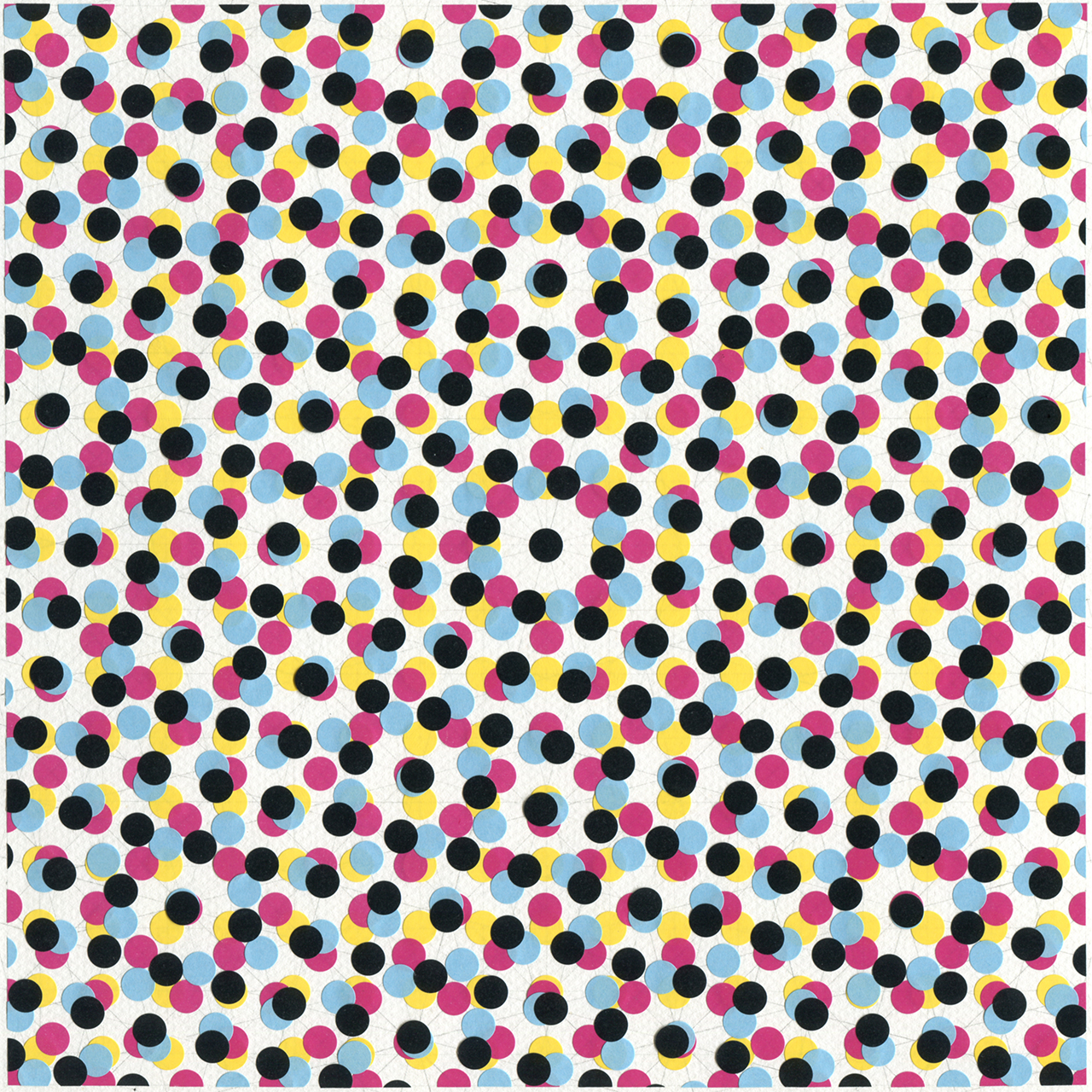
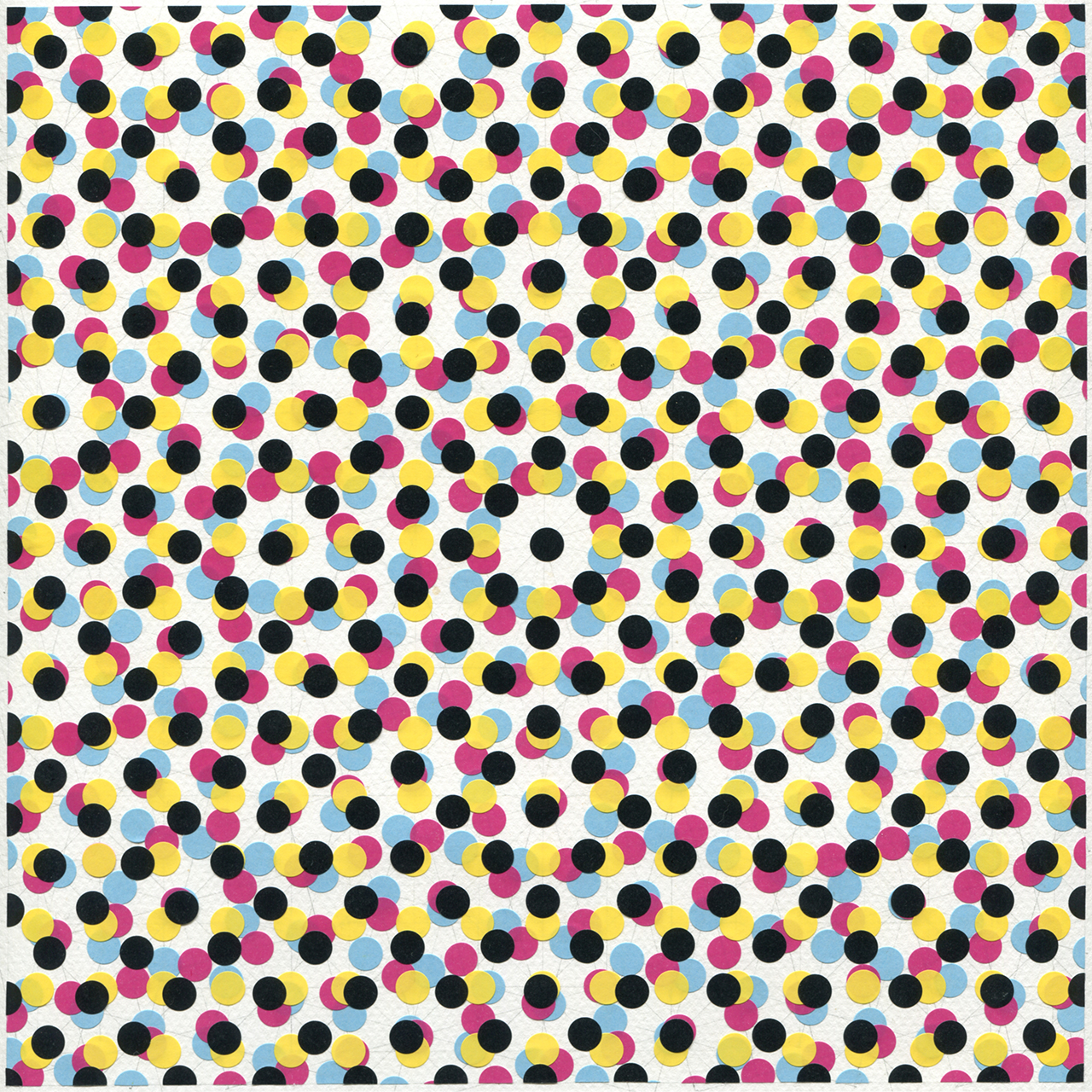
Typical CMYK halftone screen angles 1_4_wordpressTypical CMYK halftone screen angles in offset printing 1/4 (C15º; M75º; Y0º; K45º)
Round colour coding labels, pencil, fibre-tip pens on Canson paper
50 x 40 cm (full margins)
2014


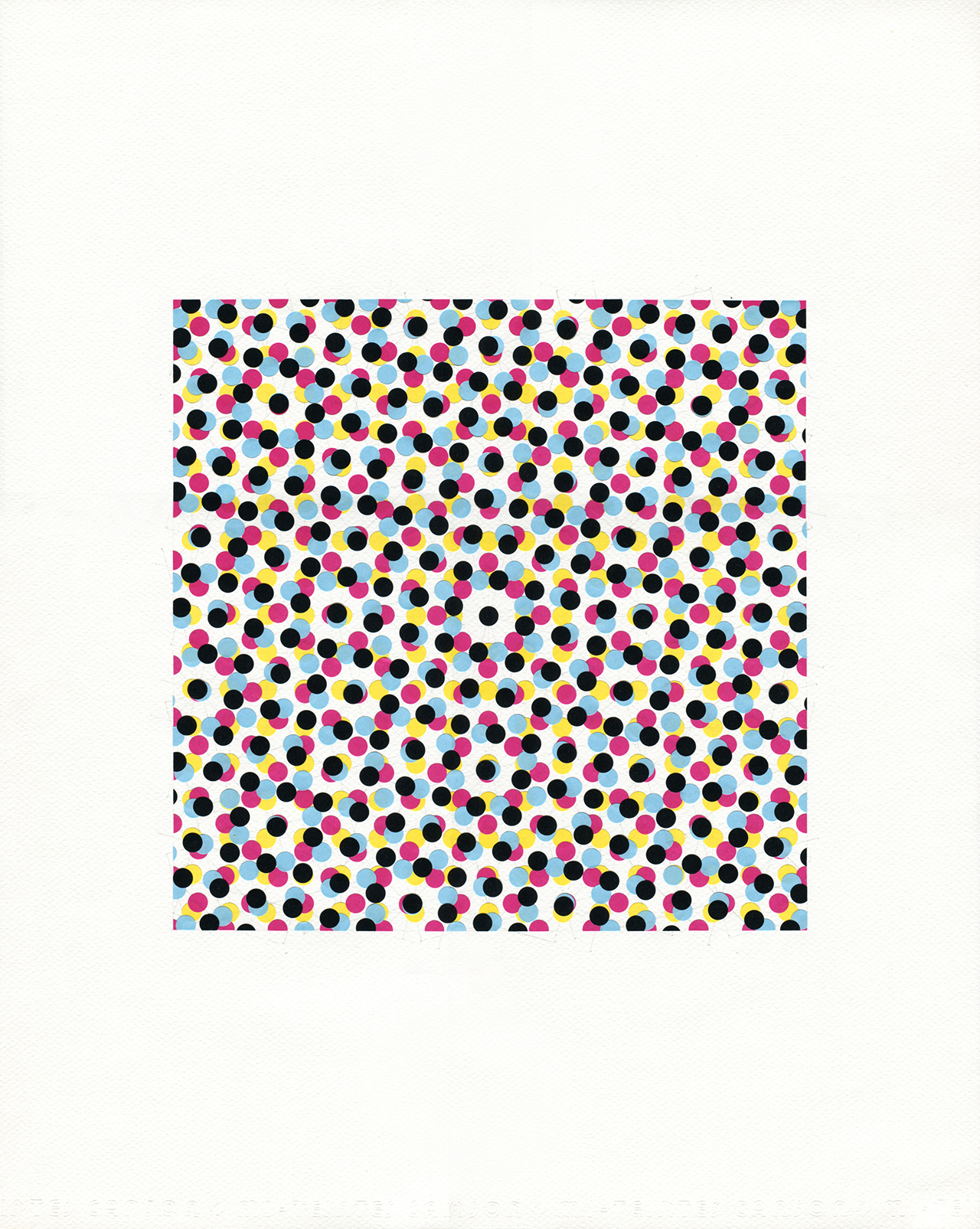
Typical CMYK halftone screen angles 2_4_wordpressTypical CMYK halftone screen angles in offset printing 2/4 (C15º; M45º; Y0º; K75º)
Round colour coding labels, pencil, fibre-tip pens on Canson paper
50 x 40 cm (full margins)
2014

Typical CMYK halftone screen angles 2_4_full_wordpress


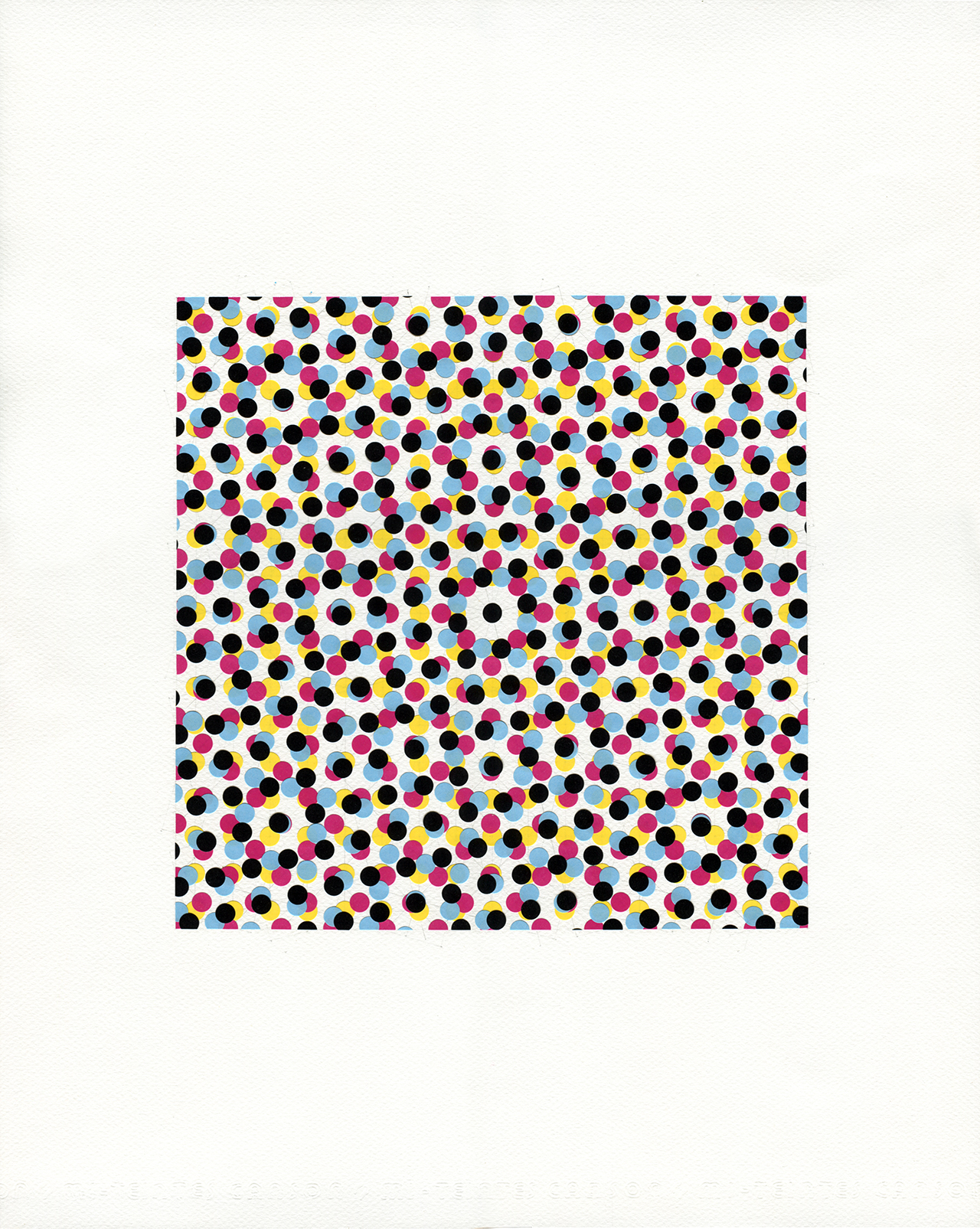
Typical CMYK halftone screen angles 3_4_wordpressTypical CMYK halftone screen angles in offset printing 3/4 (C165º; M45º; Y90º; K105º)
Round colour coding labels, pencil, fibre-tip pens on Canson paper
50 x 40 cm (full margins)
2014

Typical CMYK halftone screen angles 3_4_full_wordpress


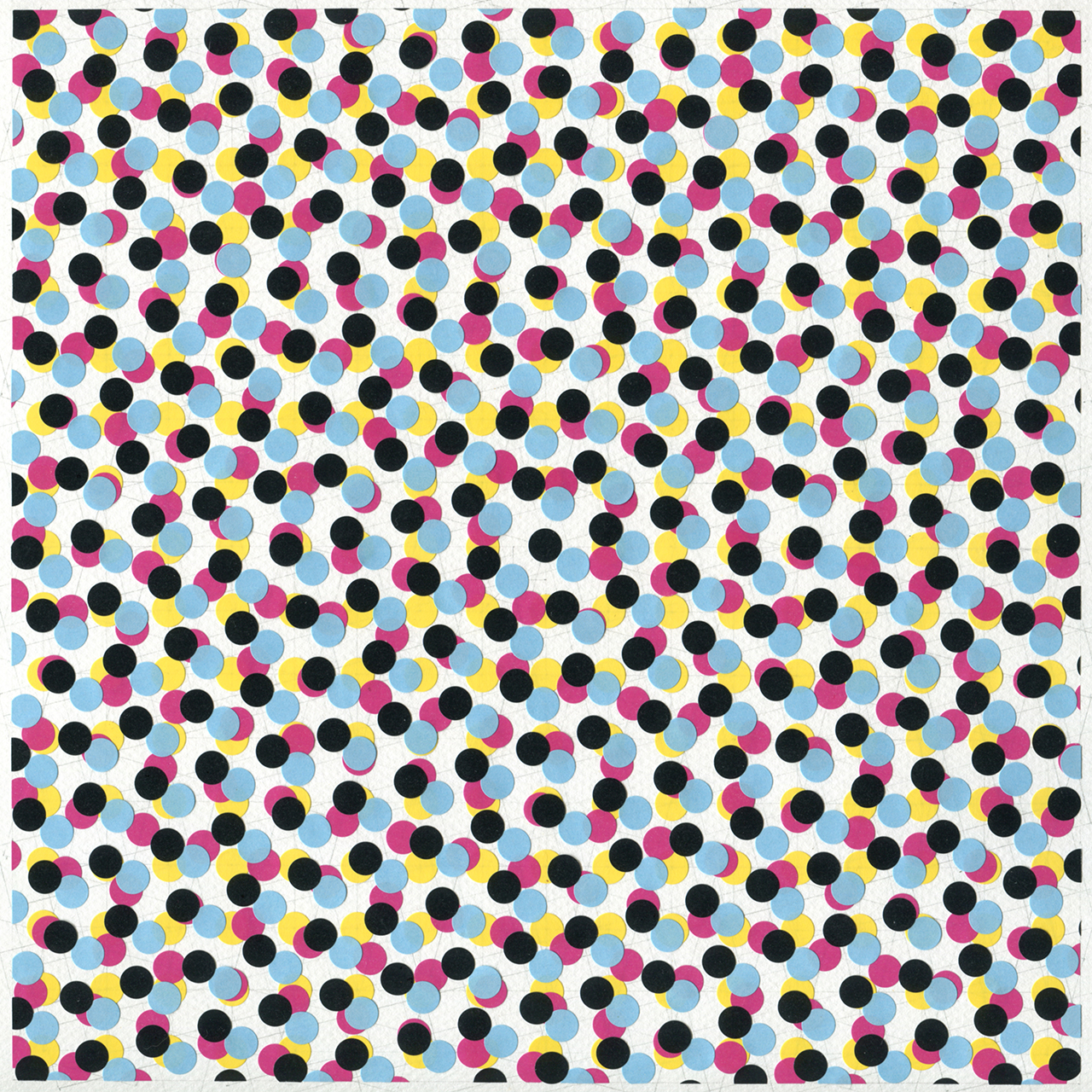
Typical CMYK halftone screen angles 4_4_wordpressTypical CMYK halftone screen angles in offset printing 4/4 (C105º; M75º; Y90º; K15º)
Round colour coding labels, pencil, fibre-tip pens on Canson paper
50 x 40 cm (full margins)
2014


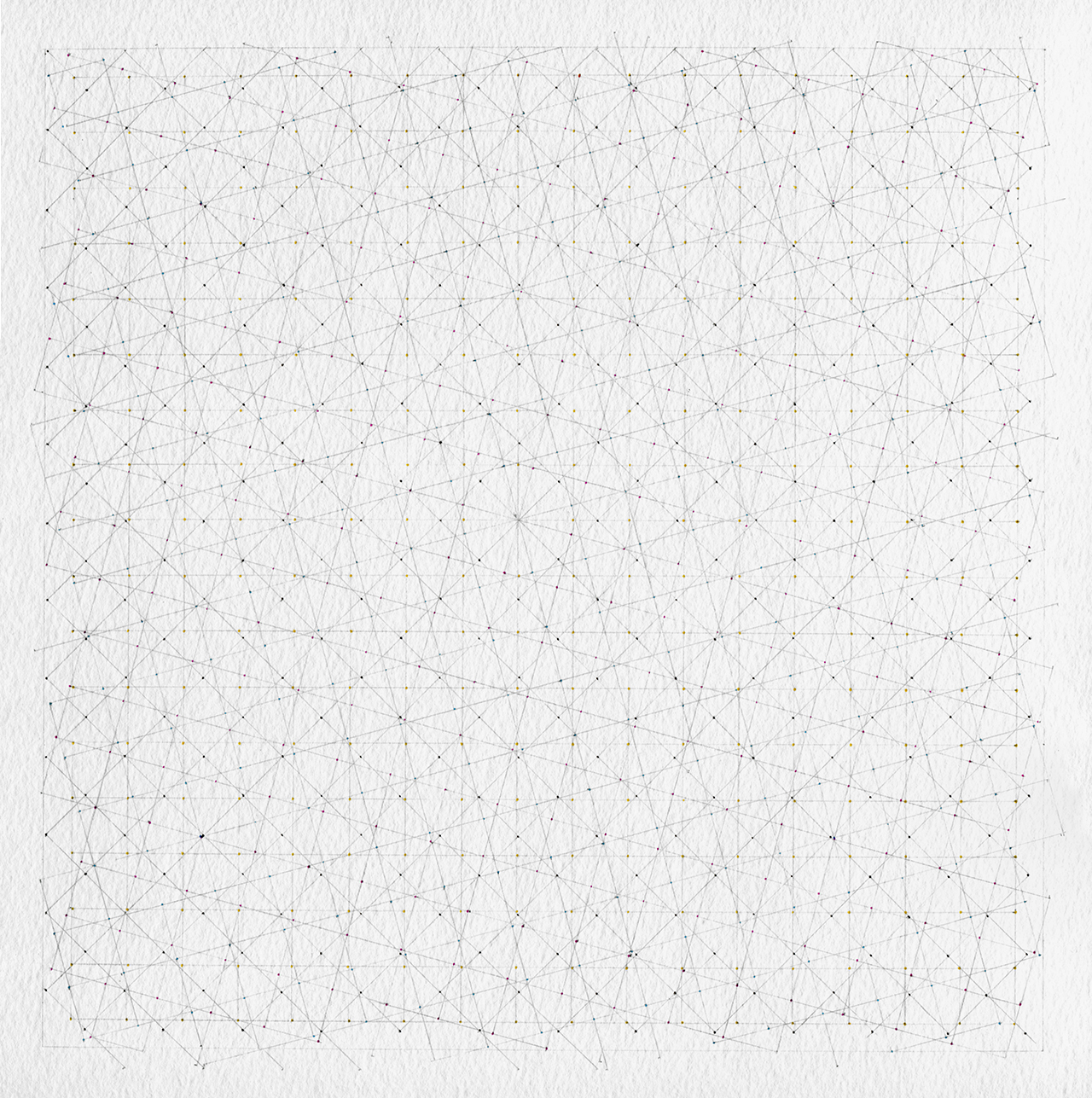
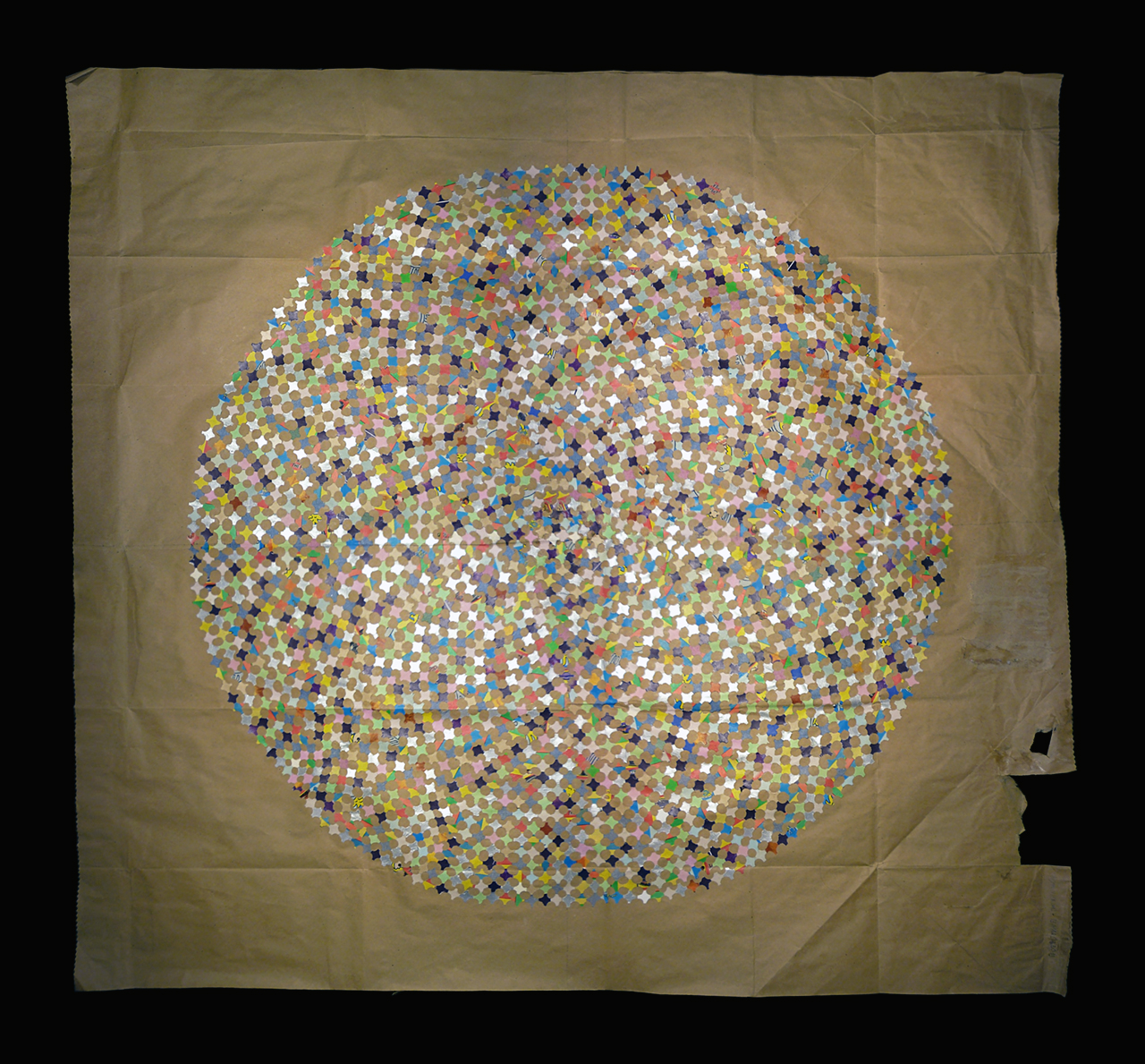
Scheme for Typical CMYK halftone screen angles in offset printing
Pencil, fibre-tip pens on watercolour paper
48 x 36 cm (full margins)
2014

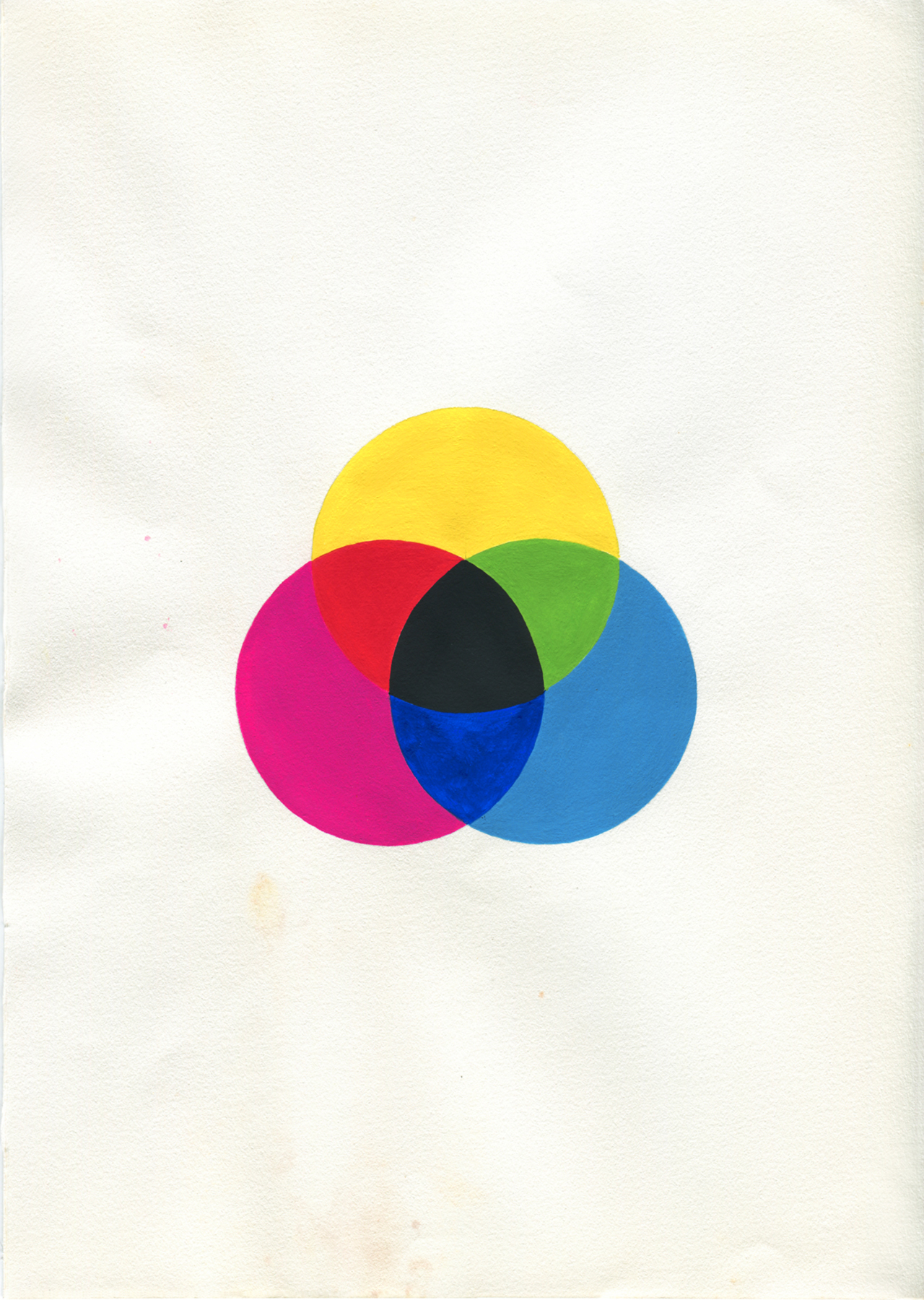
Schema_der_Farbmischung_master_300_RGB_02_bicubicSchema der Farbmischung (subtraktive Farbmischung)
(Scheme of colour mixture (subtractive colour mixing)
Acrylic on paper
29.7 x 21 cm
2010


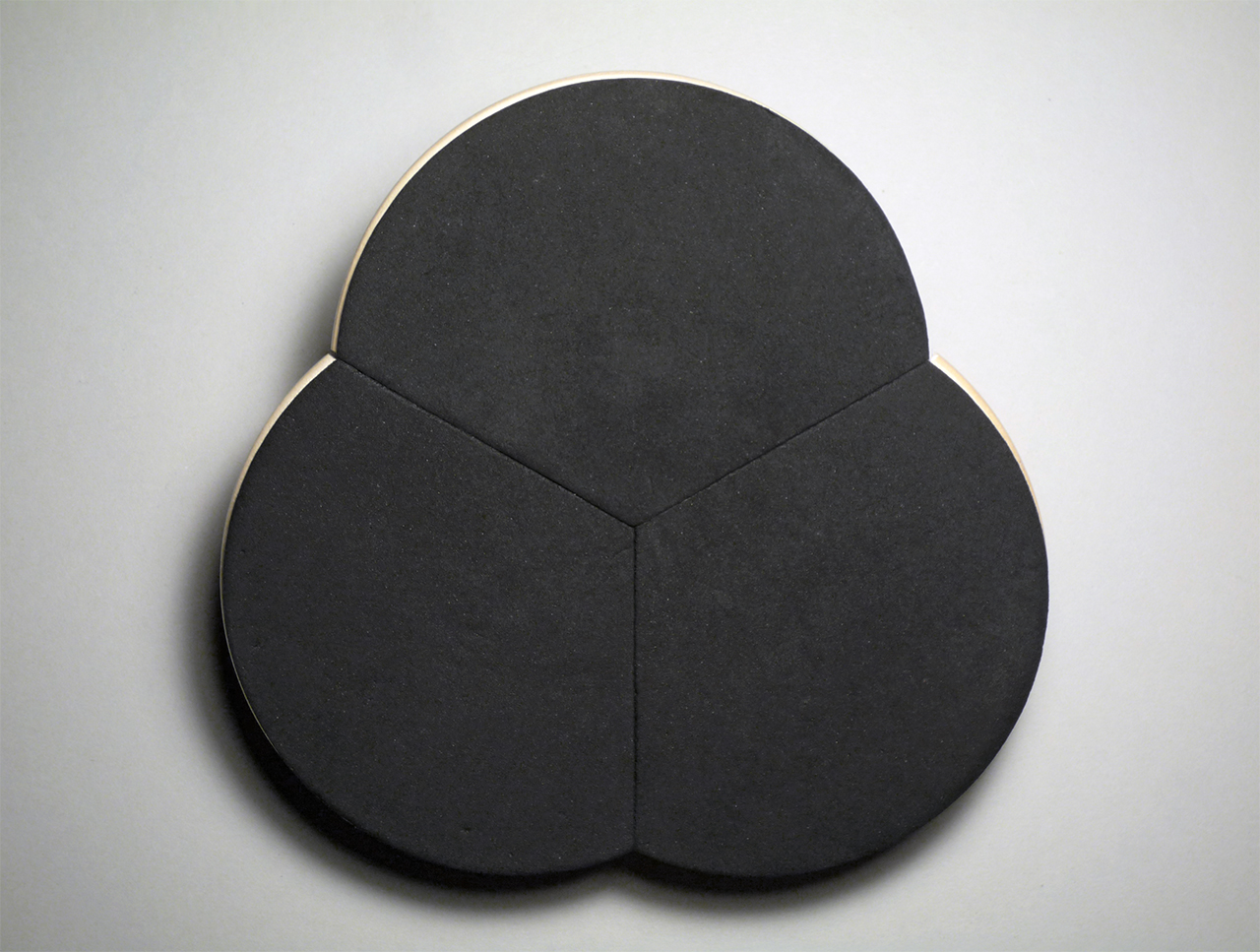
schwarz_schema_wordpress_02Schema (Schwarz)
(Scheme (black)
(Found) furniture parts (plywood, rubber, clear), metal
Approx. 18 x 18 x 1.8 cm
2015

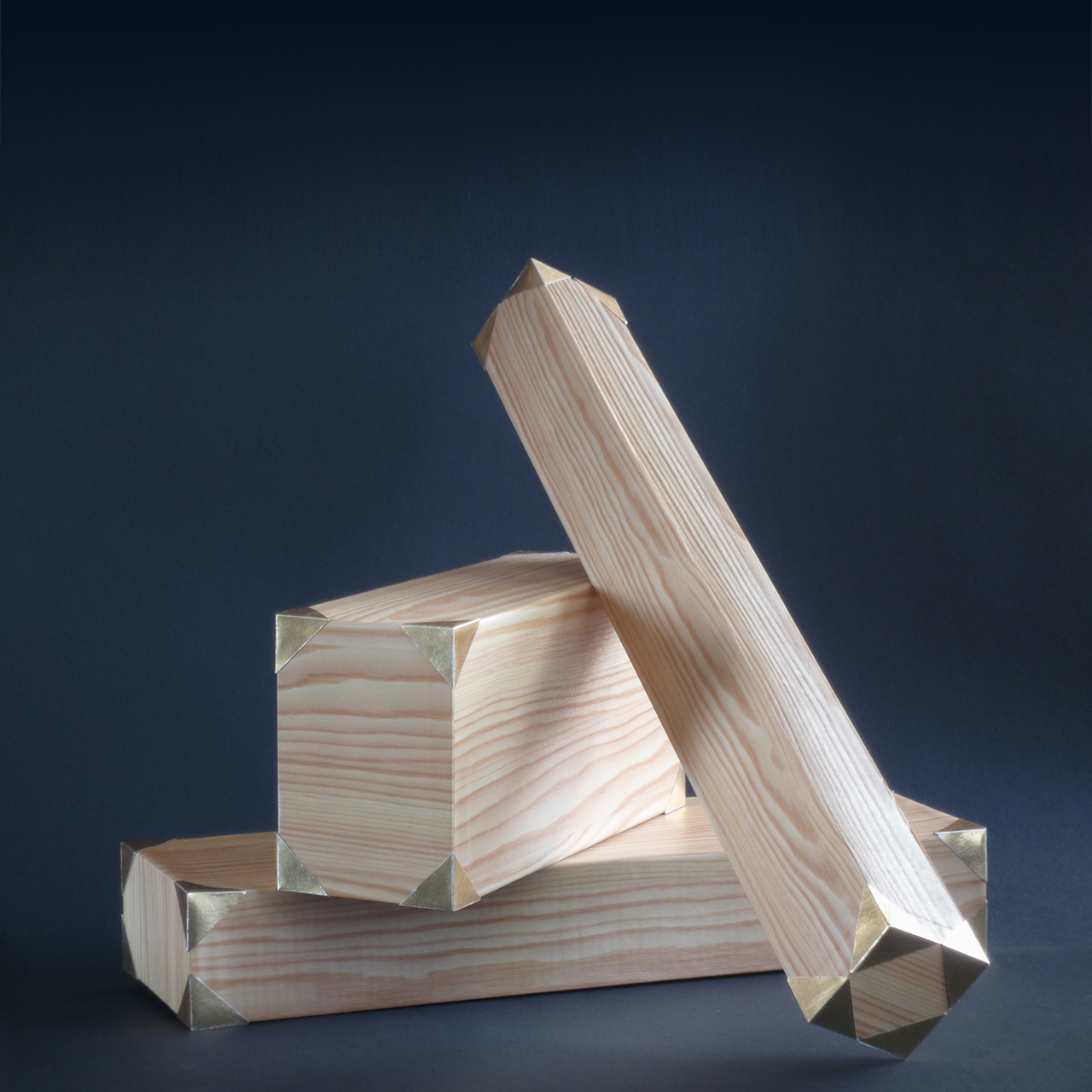
724f3-bauschnittholz_300_rgb_master_sharp

Bauschnittholz (Brett, Balken und Latte)
[Construction timber (Board, beam and lath)]
Cardboard packages, Hemlock (Tsuga) contact paper, golden foil
Dims. variable (4.5 x 9.5 x 29.5 cm; 6.5 x 9.5 x 19.5 cm; 4 x 4 x 39 cm each)
2015


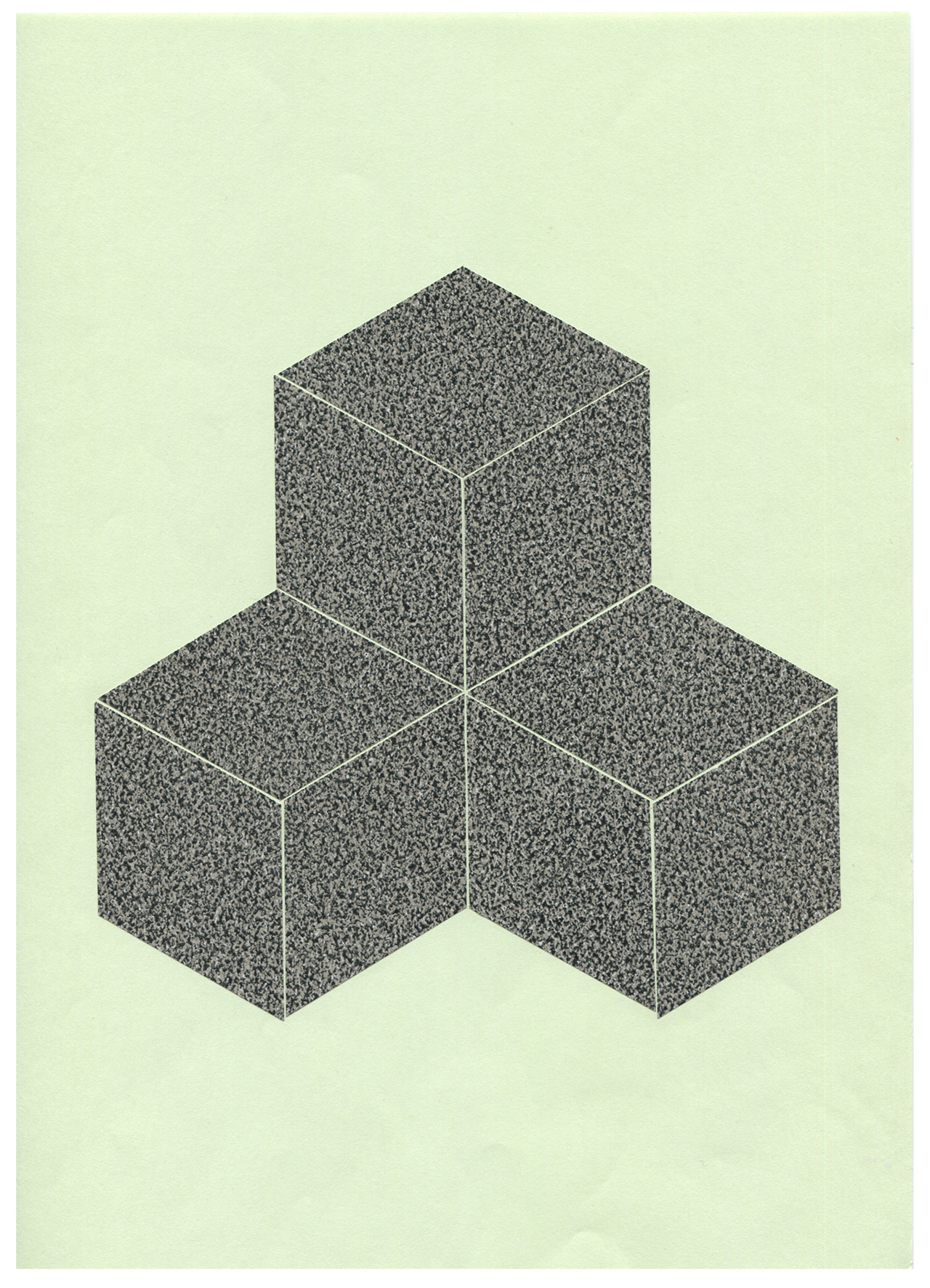
f0120-vier_granitpflastersteine_master_rgb_300_sharp

Vier Granitpflastersteine
(Four granite paving stones)
Cardboard packages, granite contact paper, seeds
Approx. 10 x 13 x 13 cm (5.1 x 6.5 x 6.5 cm each)
2014

Vier_Granitpflastersteine_(des)_wordpressVier Granitpflastersteine
(Four granite paving stones)
Granite contact paper on coloured paper
29.7 x 21 cm
2014

fd13c-corner_piece_mockup_large_sharp_02

Corner Piece
Dried acrylic paint
4 x 8 cm
2015


Untitled_Black_Square_wordpress

Black Square
Oil on unstretched canvas
Approx. 27.5 x 27.5 cm
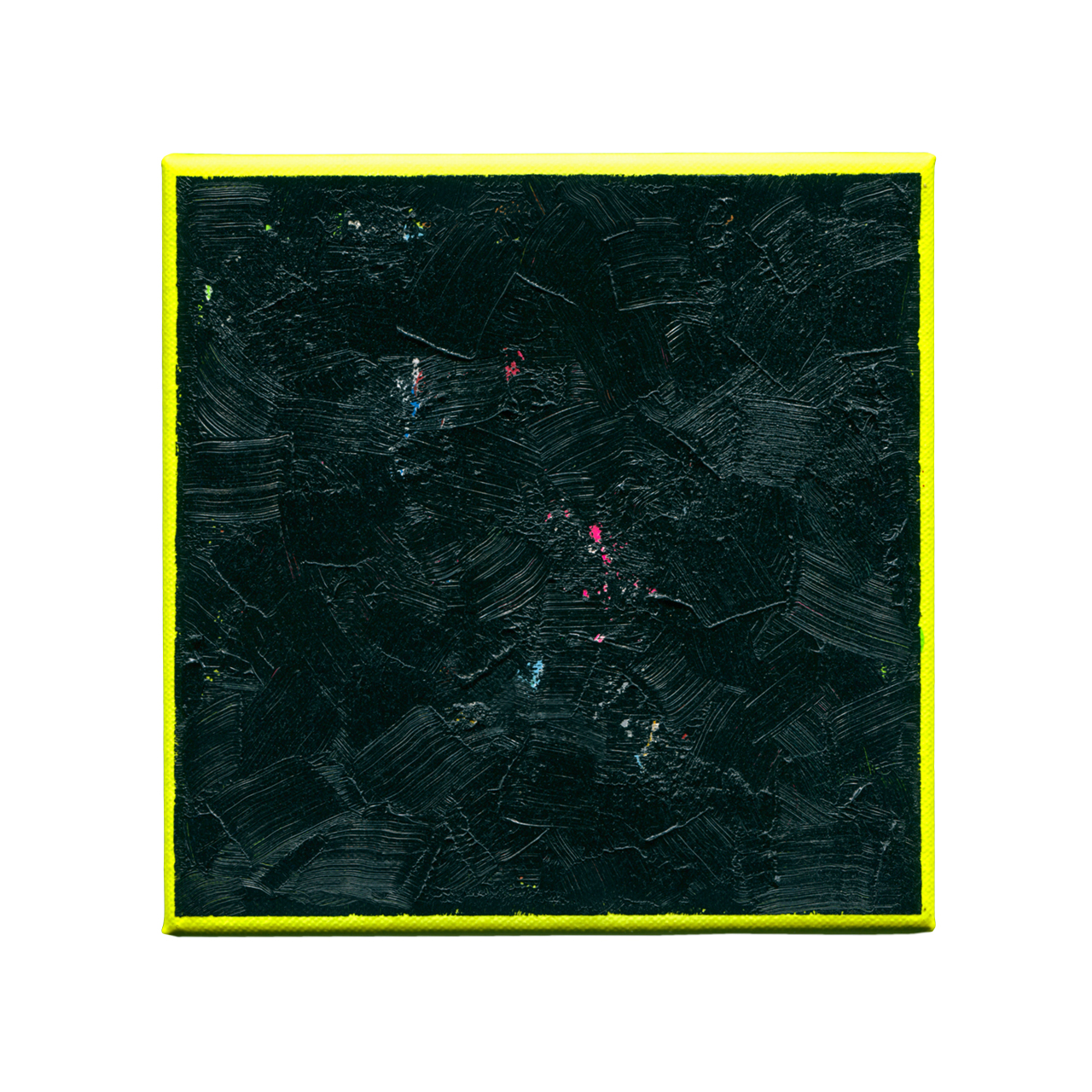
2014Untitled_(Black_Square_with_highlighted_edges)_wordpressUntitled (Black painting with highlighted edges)
Oil, fluorescent acrylic on canvas
20 x 20 cm
2017


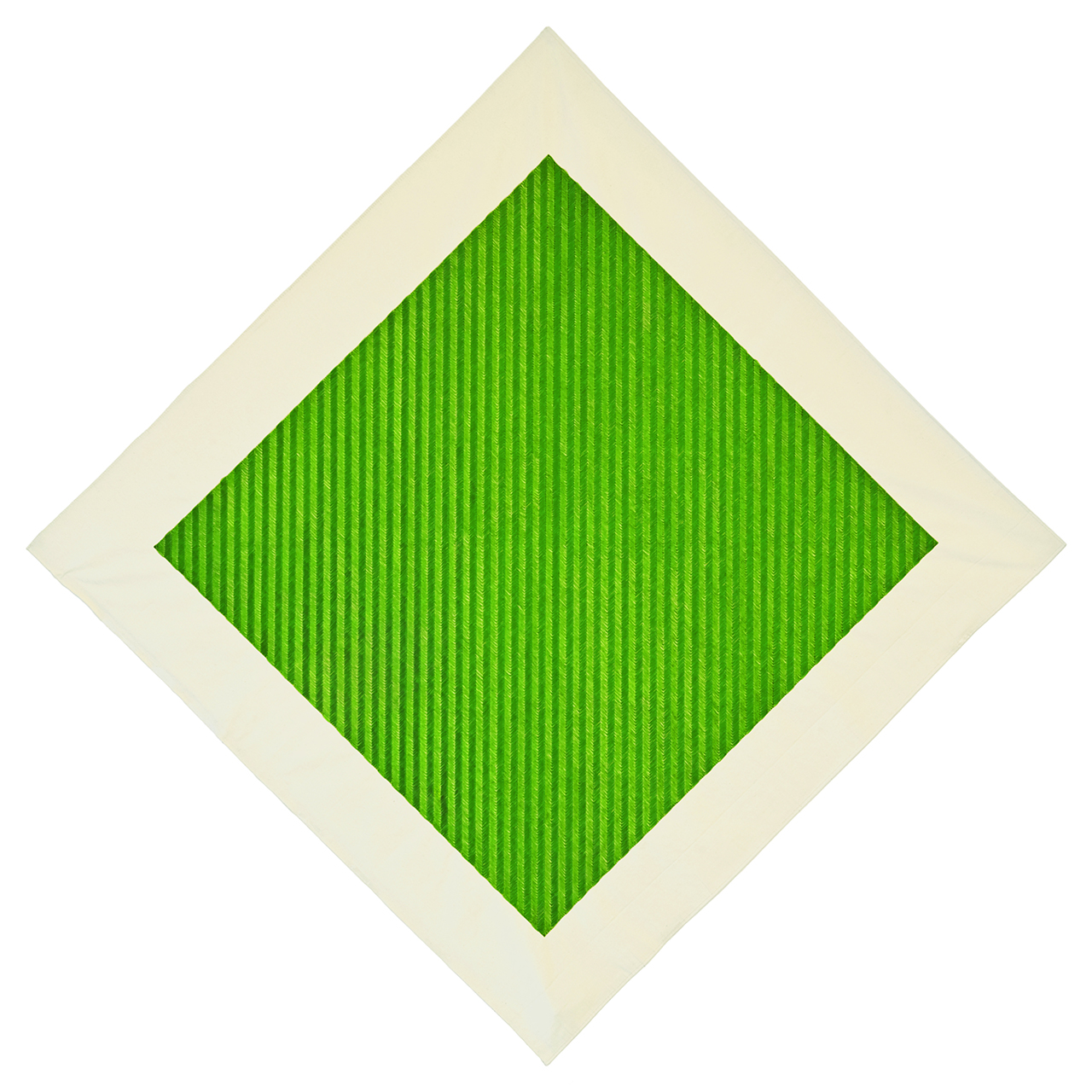
Gren_screen_(square)_master_2017_01_b1_sharp

Untitled (Green Screen)
Embroidery
106 x 106 cm
2016
(embroidered by D.)


Afterimage_A_B_master_wordpress_03Afterimage (red/ green); Afterimage (blue/ yellow)
Acrylic on canvas
30 x 30 cm

2014

Composition_Red_Yellow_Blue_master_wordpress1922. Composition avec bleu, rouge, jaune et noir

(1922. Composition with blue, red, yellow and black)
Acrylic on canvas, picture ledge (fibreboard, foil)
Approx. 50 x 115 x 12 cm
2016


Composition with blue, red, yellow and black
(boards)
Coloured paper, MDF board, glass, stainless steel
Approx. 30 x 105 cm (29.7 x 21 cm each board)
2016

(From 52 weeksFile:Icon External Link.png)


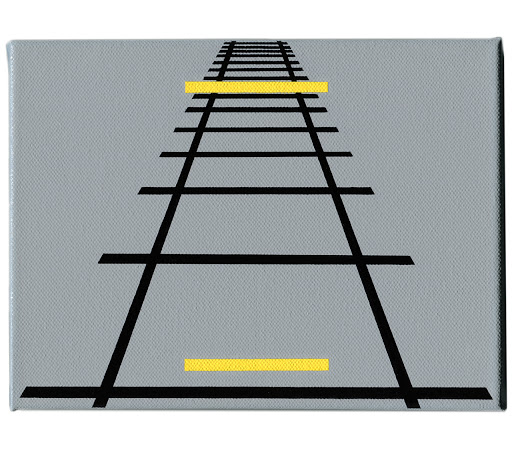
 Untitled (Ponzo illusion)
Acrylic, permanent marker on canvas
18 x 24 cm

2015


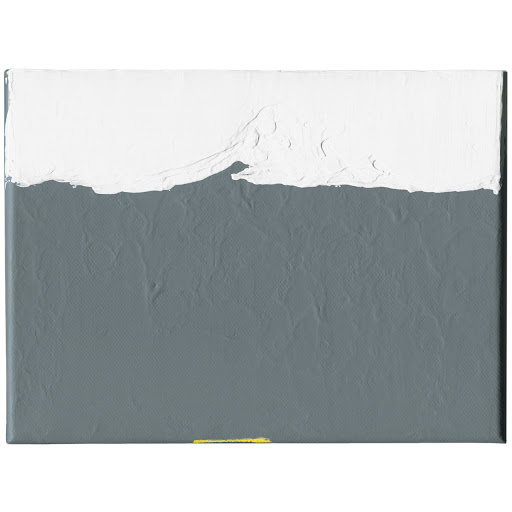
White bar over grey background

Acrylic on canvas
18 x 24 cm
2016

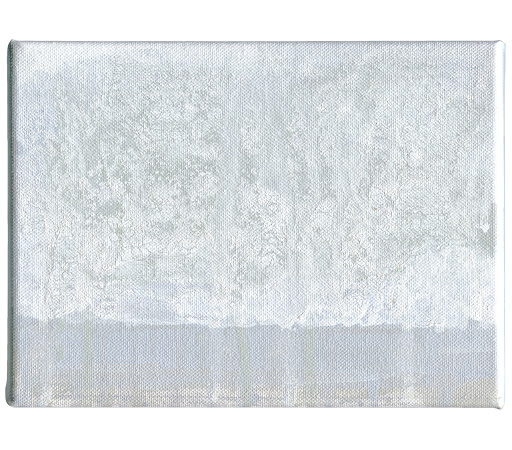
White wash over grey area

Acrylic on canvas
18 x 24 cm

2016


Untitled (1979. L. C. Variations #01)
Acrylic on canvas
24 x 30 cm
2016
Untitled_( 1990)_square_wordpressUntitled ( 1990.)
Acrylic, newspaper, contact paper, enamel spray paint, paper tape on canvas
20 x 20 cm
2017


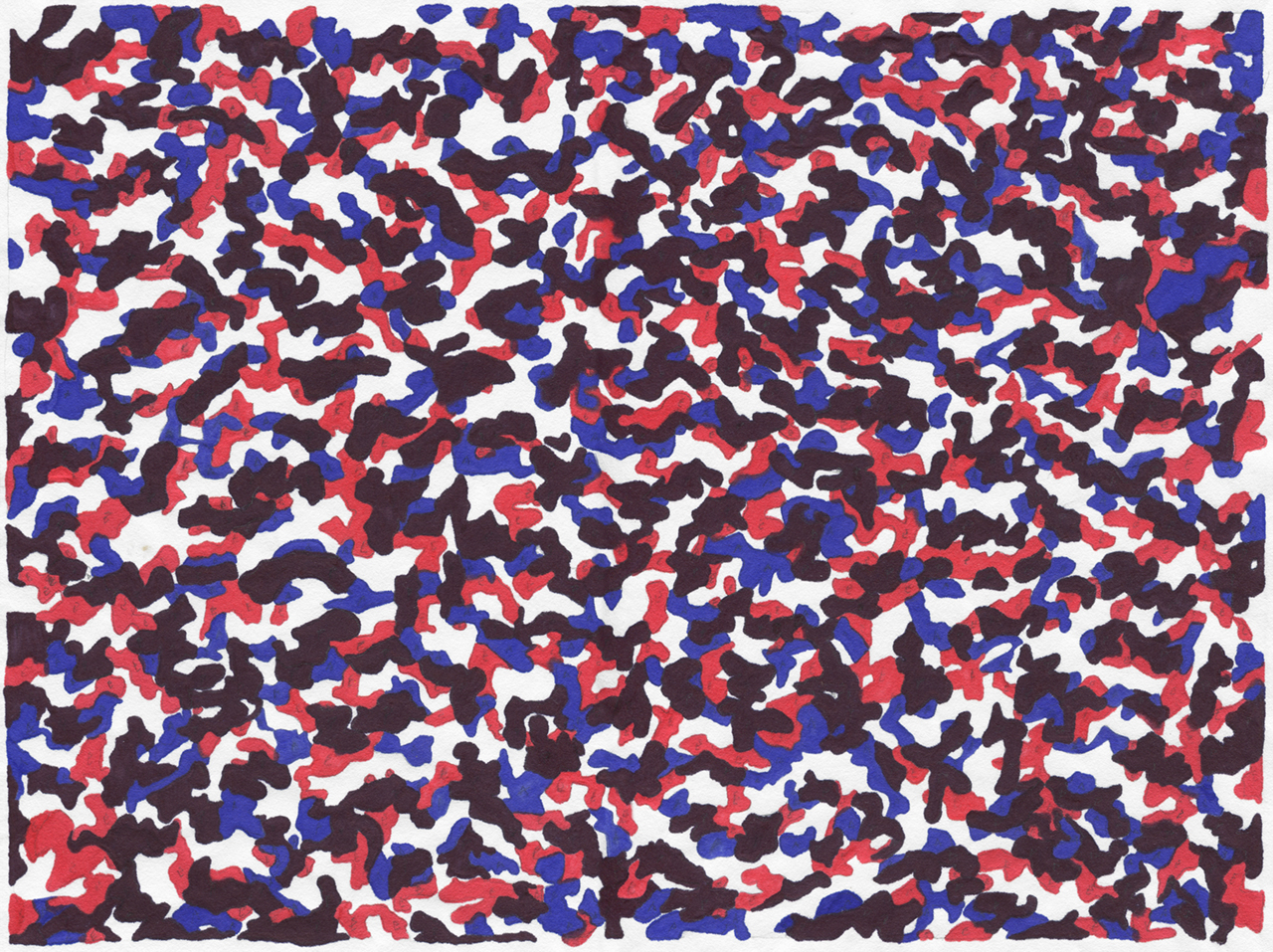
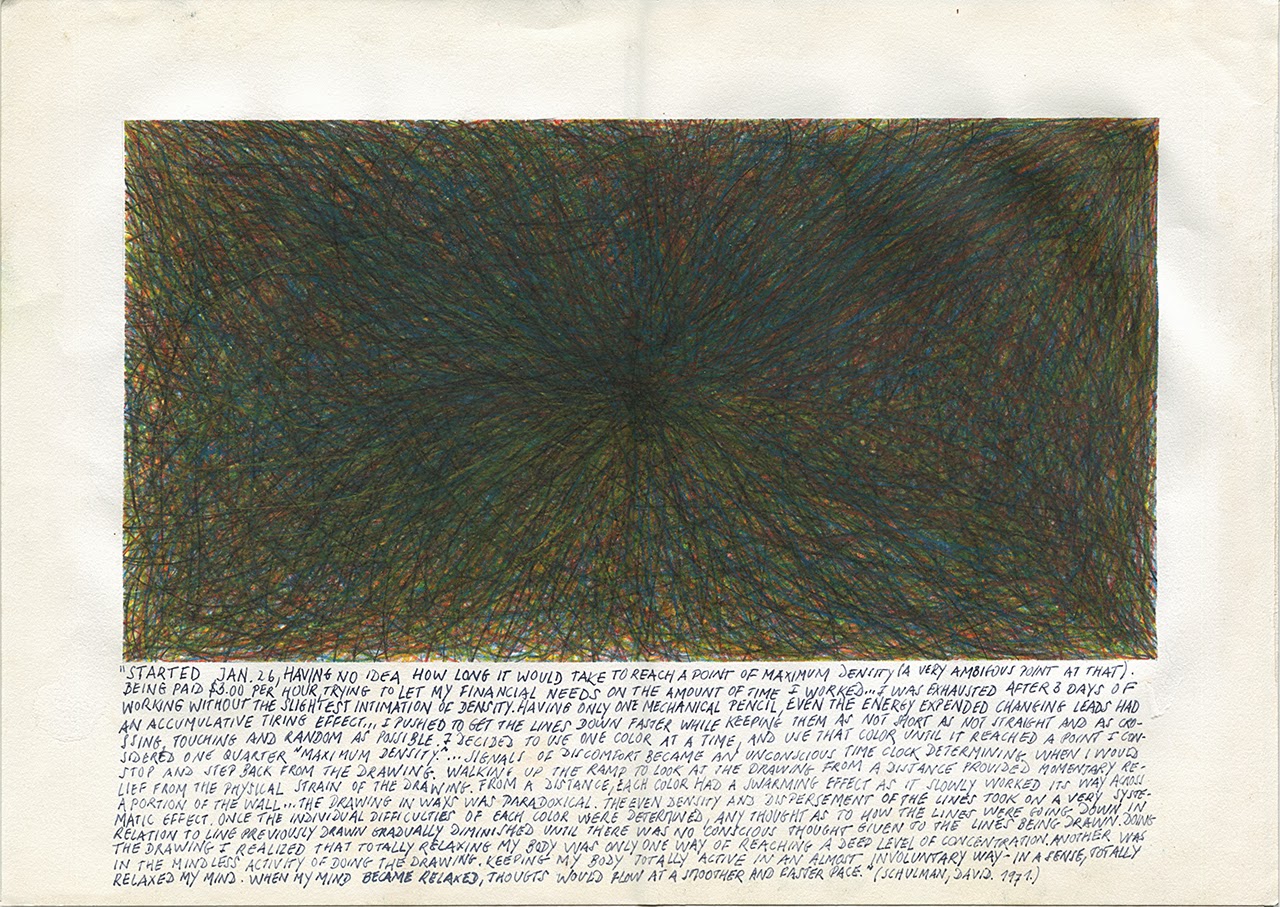
Serial Drawing (Lines, not short, not straight, crossing and touching, draw at random, using four colors (yellow, black, red and blue) uniformly dispersed with maximum density) (Jan.26 – Jan.29, 2011)
Coloured pencil, pen on paper
29,7 x 42 cm
2011 

On the text reads:
[Lines, not short, not straight, crossing and touching, draw at random, using four colors (yellow, black, red and blue) uniformly dispersed with maximum density covering the entire surface of the wall (plan for Lewitt wall drawing at the Guggenheim International Exhibition, 1971; executed by David Schulman, whose notes on the process are quoted below):]
    ”Started Jan. 26 having no idea how long it would take to reach a point of maximum density (a very ambiguous point at that). Being paid $3.00 per hour, trying to let my financial needs have little effect on the amount of time I worked… I was exhausted after 3 days of working without the slightest intimation of density. Having only one mechanical pencil, even the energy expended changing leads had an accumulative tiring effect… I pushed to get the lines down faster while keeping them as not short as not straight and as crossing, touching and random as possible. I decided to use one color at a time, and use that color until it reached a point I considered one quarter ‘Maximum Density.’… Signals of discomfort became an unconscious time clock determining when I would stop and step back from the drawing. Walking up the ramp to look at the drawing from a distance provided momentary relief from the physical strain of the drawing. From a distance, each color has a swarming effect as it slowly worked its way across a portion of the wall… The drawing in ways as paradoxical. The even density and dispersement of the lines took on a very systematic effect. Once the individual difficulties of each color were determined, any thought as to how the lines were going down in relation to line previously drawn gradually diminished until there was no conscious thought given to the lines being drawn. Doing the drawing I realized that totally relaxing my body was only one way of reaching a deep level of concentration. Another was the mindless activity of doing the drawing. Keeping my body totally active in an almost involuntary way-in a sense, totally relaxed my mind. When my mind become relaxed, thoughts would flow at a smoother and fast pace.”
(in Lippard, Lucy R.  Six Years: The Dematerialization of the Art Object from 1966 to 1972 … Berkeley: University of California Press, 1973. pp. 201-202)]
Serial Drawing (500 yellow, 500 gray, 500 red and 500 blue lines, within a area of 1 square meter. All lines must be between 10 cm. and 20 cm. long and straight)
(as in Nov.28, 2013)
Fibre-tip colour pen on rice paper
213 x 38 cm (in a roll)
(ongoing)

[Sol Lewitt.  Pasadena Art Museum, November 17 – January 3, 1971: 
    The draftsman and the wall enter a dialogue. The draftsman becomes bored but later through this meaningless activity finds peace or misery. The lines on the wall are the residue of this process. Each line is as important as each other line. All the lines become one thing. The viewer of the lines can see only lines on a wall. They are meaningless. That is art. (From Pasadena catalogue.)
    The artist conceives and plans the wall drawing. It is realized by the draftsmen. (The artist can act as his own draftsman.) The plan, written, spoken or a drawing, is interpreted by the draftsman.
    There are decisions which the draftsman makes, within the plan, as part of the plan. each individual, being unique, given the same instructions would carry them out differently.
    The artist must allow various interpretations of his plan. The draftsman perceives the artist’s plan, then reorders his own experience and understanding.
    The draftsman’s contributions are unforeseen by the artist, even if he, is the draftsman. Even if the same draftsman followed the same plan twice, there would be two different works of art. No one can   do the same thing twice.
    The artist and the draftsman become collaborators in making the art.
    Each person draws a line differently and each person understands words differently.
    Neither lines nor words are ideas. They are mean by which ideas are conveyed.”

(in Lippard, Lucy R.  Six Years: The Dematerialization of the Art Object from 1966 to 1972 … Berkeley: University of California Press, 1973. p. 200)]

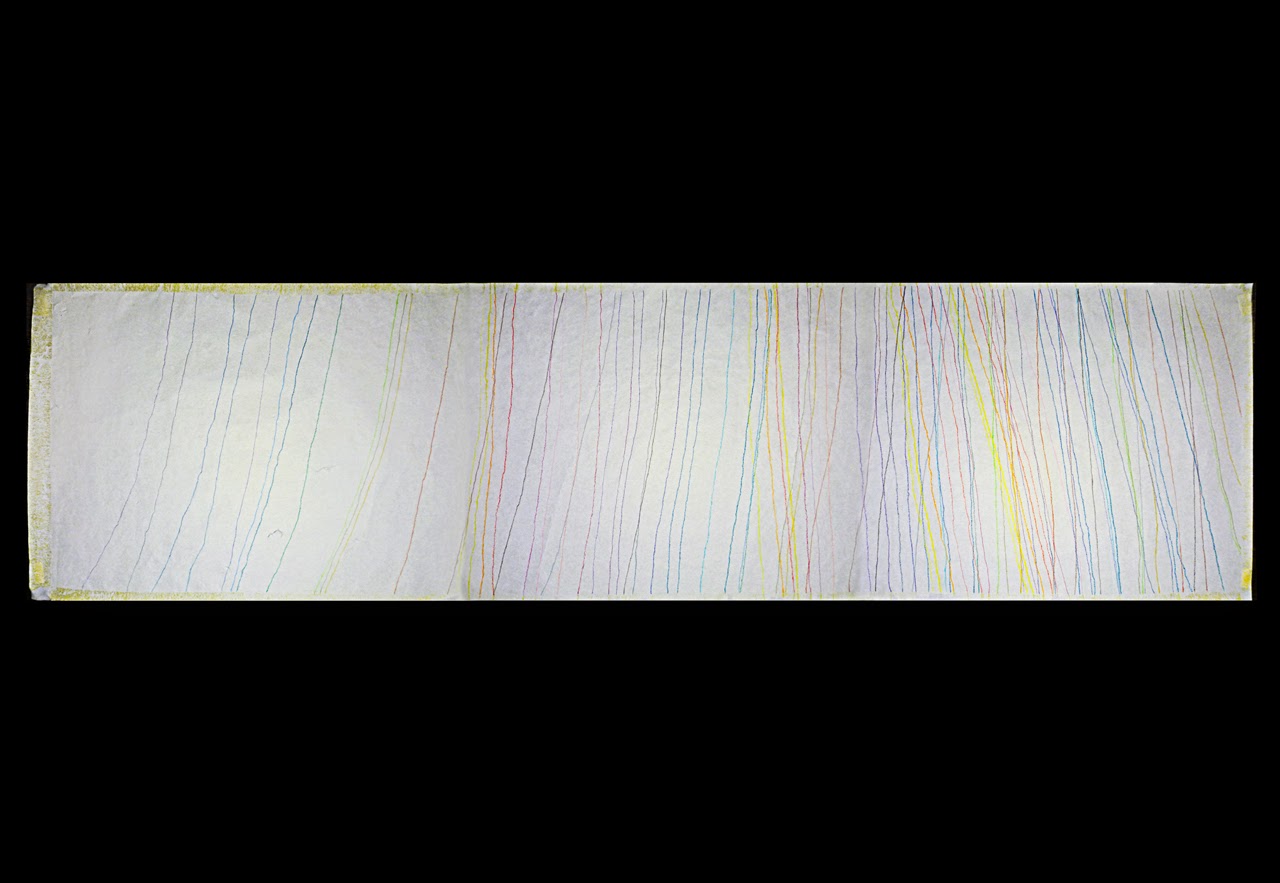
Shadow Drawing (Jul.31 – Aug.29, 2012)
Coloured pencil on rice paper
179 x 36 cm (in a roll)
2012

(From Jul.31, 2012 onwards, for thirty consecutive days – the number of shades on a standard coloured pencil box -, charting hourly the sunlight shadow cast on the wall. Each colour marks one day’s shadows and was picked by the same order as it comes on the box.)


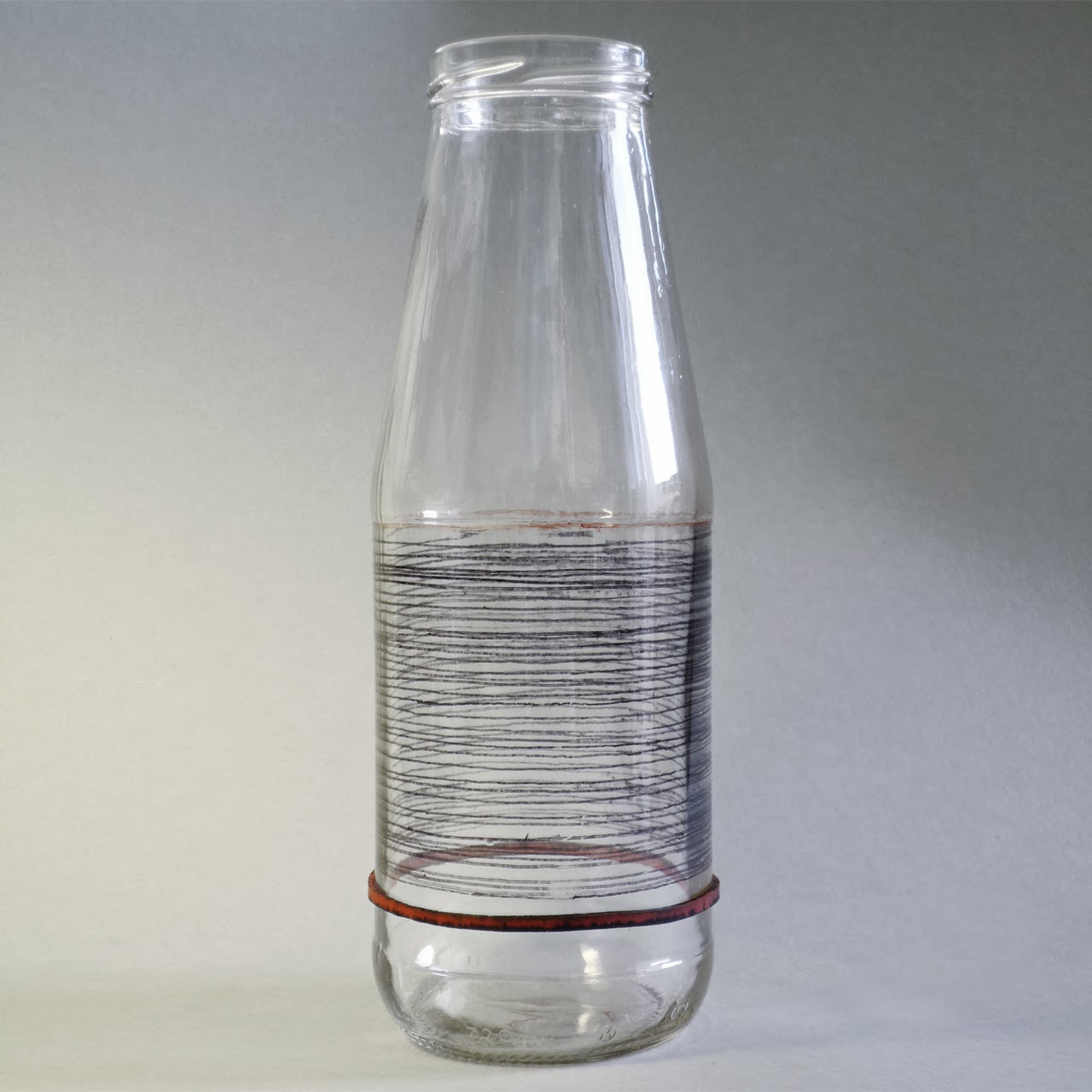
Water Drawing

(Jul.26 – Sep.07, 2012)
Marker on glass bottle, rubber band
22 x 6.5 x 6.5 cm
2012
(Starting Jul.26, 2012, 1/2 L of water left to evaporate on direct sun. Marking the water level every day at the sunset. The work ended when it first rained.)